
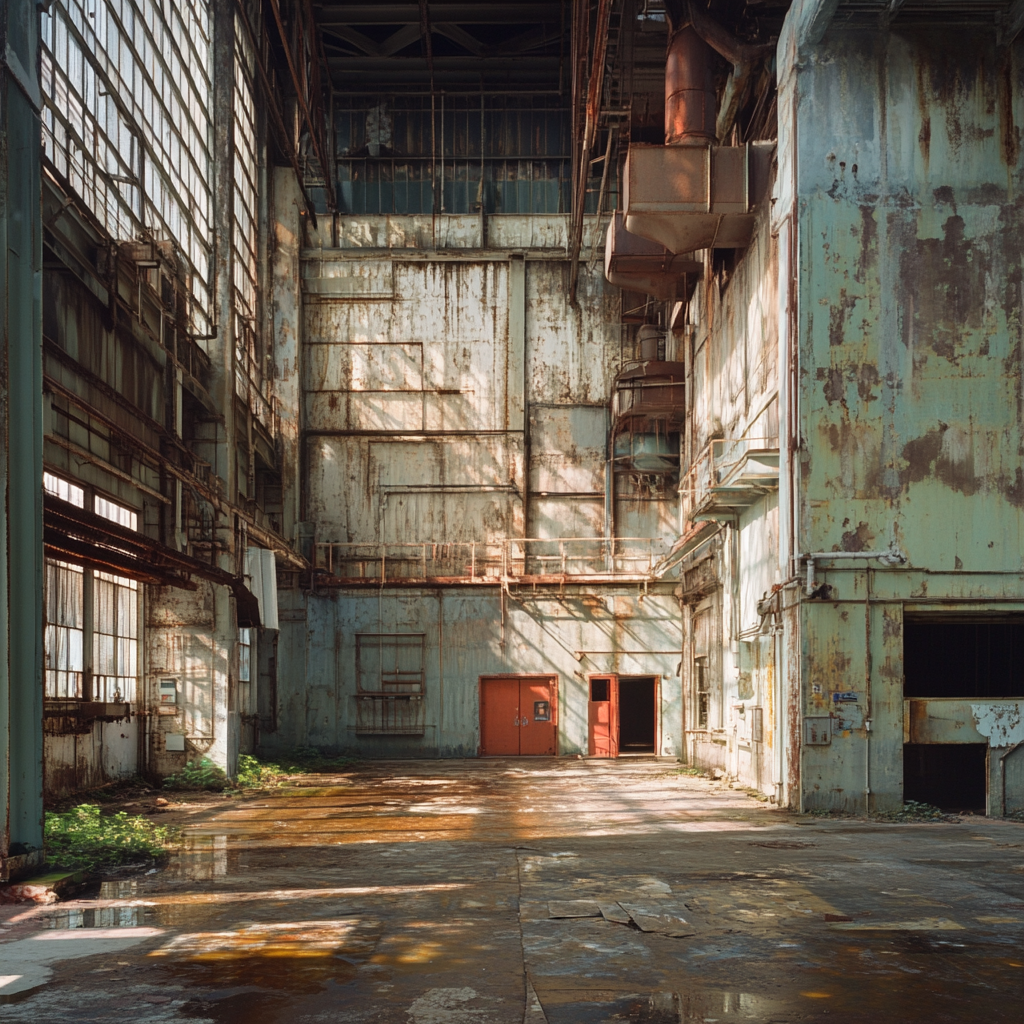
Industrial facilities, manufacturing plants, and large commercial operations often deal with complex processes that involve chemicals, oils, powders, or other hazardous substances. While safety protocols and preventive maintenance can minimize risks, accidents and emergencies are still inevitable. Spills, chemical leaks, fires, or machinery malfunctions can disrupt production, damage equipment, and create safety hazards for employees. Without a clearly defined industrial emergency cleaning plan, companies risk extended downtime, regulatory penalties, and even serious health incidents.
An industrial emergency cleaning plan is a proactive strategy designed to prepare facilities for unexpected events, ensuring rapid, safe, and efficient cleanup when incidents occur. By having a plan in place, companies can protect employees, minimize property damage, comply with regulations, and maintain operational continuity. For businesses in Wisconsin and surrounding states, industrial emergency cleaning is not just a precaution—it is an essential component of a responsible safety and maintenance strategy.
Understanding Industrial Emergencies
Types of Incidents That Require Emergency Cleaning
Industrial emergencies come in many forms, and each type poses unique challenges for cleanup and containment. Common incidents include:
- Chemical Spills: Accidental release of hazardous chemicals can contaminate floors, machinery, and the surrounding environment. Quick response is crucial to prevent chemical burns, inhalation risks, and environmental damage.
- Oil or Lubricant Leaks: Machinery often uses oils and lubricants that, if spilled, can create slippery surfaces, fire hazards, and equipment malfunctions.
- Dust or Particulate Accumulation: Certain processes generate dust or fine particles that, when released in large quantities, pose respiratory hazards or even explosion risks in confined spaces.
- Biological Contamination: Food processing, pharmaceutical, or laboratory environments may encounter biological spills that require specialized cleaning protocols.
A proper emergency cleaning plan ensures that all these scenarios can be addressed quickly and safely, reducing both immediate hazards and long-term consequences.
The Cost of Not Having a Plan
Failing to implement an industrial emergency cleaning plan can lead to serious financial and operational consequences. Extended downtime during an unplanned incident can halt production, delay delivery schedules, and impact revenue. Additionally, inadequate cleanup may result in equipment damage that requires costly repairs or replacement. Facilities may also face fines or legal action if spills, leaks, or contamination violate OSHA, EPA, or state regulations.
Employee safety is another critical factor. Without proper procedures, staff may be exposed to hazardous substances, increasing the risk of injuries or long-term health issues. Workplace accidents related to poor emergency response can also result in workers’ compensation claims, legal liabilities, and damage to the company’s reputation.
By proactively establishing a comprehensive emergency cleaning plan, companies reduce these risks, ensuring faster recovery, regulatory compliance, and the safety of personnel and property.
Components of an Effective Industrial Emergency Cleaning Plan
Key Elements Every Facility Should Include
A robust industrial emergency cleaning plan includes several key components to ensure readiness and effectiveness:
- Risk Assessment: Identify potential hazards and evaluate their likelihood and potential impact. This includes reviewing chemicals, machinery, and processes that could lead to spills, leaks, or other emergencies.
- Response Procedures: Develop clear, step-by-step instructions for addressing different types of incidents. Include guidance on containment, cleanup, and safe disposal of hazardous materials.
- Employee Training: Ensure that all staff members are trained on emergency response procedures, proper use of personal protective equipment (PPE), and the correct handling of chemical or industrial spills.
- Emergency Equipment: Stock the facility with spill kits, absorbents, neutralizing agents, protective gear, and cleaning tools to respond quickly to emergencies.
- Communication Protocols: Establish clear lines of communication for reporting incidents, notifying supervisors, and contacting specialized cleanup services if needed.
- Regular Drills and Updates: Conduct routine drills to test the effectiveness of the plan, and update procedures based on new hazards, regulations, or facility changes.
Incorporating these components into a written plan ensures that everyone knows their role and can act quickly when emergencies occur.
Benefits of Having an Emergency Cleaning Plan
Enhanced Safety
Safety is the primary benefit of an industrial emergency cleaning plan. By preparing in advance, companies protect their workforce from potential exposure to hazardous chemicals, oils, dust, or biological contaminants. Proper procedures and PPE minimize the risk of injuries, respiratory issues, or long-term health problems. Employees are also less likely to panic during emergencies, which helps maintain control and reduces mistakes.
Faster Recovery
Time is critical during industrial emergencies. A structured emergency cleaning plan allows facilities to respond quickly, contain hazards, and resume operations with minimal downtime. Rapid cleanup prevents further damage to equipment, reduces production delays, and helps companies meet delivery schedules. In many industries, even a few hours of downtime can result in significant financial losses, making speed and efficiency crucial.
Regulatory Compliance
Industrial facilities are subject to OSHA, EPA, and state safety regulations. Failing to address spills, leaks, or contamination properly can result in fines, legal liabilities, and mandatory shutdowns. An emergency cleaning plan ensures compliance by providing documented procedures for safely handling hazardous materials and properly disposing of waste. Regulators often look favorably on facilities with formal emergency response plans, which can mitigate penalties if an incident occurs.
Reduced Costs
While developing an emergency cleaning plan requires an upfront investment in planning, training, and equipment, it ultimately reduces costs. Quick, effective response prevents extensive equipment damage, costly repairs, prolonged downtime, and potential lawsuits. Preventing employee injuries also reduces workers’ compensation claims and associated insurance costs.
Real-World Applications
Industrial emergency cleaning plans are applicable across a wide range of industries in Wisconsin and neighboring states:
- Manufacturing Plants: Managing chemical, oil, or lubricant spills from production equipment.
- Food and Beverage Processing: Handling biological contamination or accidental ingredient spills safely and efficiently.
- Pharmaceutical Facilities: Containing and cleaning chemical or biological hazards while maintaining sterile conditions.
- Warehouses: Addressing dust, particulate, or chemical spills in large storage areas.
In each case, having a documented emergency cleaning plan ensures that incidents are handled consistently, safely, and in compliance with regulations.
The Role of Professional Emergency Cleaning Services
While internal teams are essential for initial response, many facilities partner with professional industrial emergency cleaning services for more complex incidents. These services provide specialized expertise, equipment, and disposal methods for hazardous materials that internal teams may not be equipped to handle. They can respond quickly to large spills, chemical accidents, or emergencies involving sensitive equipment, ensuring thorough cleanup and minimal disruption to operations.
Partnering with a professional service also provides additional documentation for regulatory compliance and reduces liability for facility managers. For companies in Wisconsin and surrounding states, having a trusted industrial cleaning partner is an important component of a comprehensive emergency response strategy.
Training and Preparedness
An effective emergency cleaning plan includes regular training for employees. Staff must understand the hazards they may encounter, know how to use PPE correctly, and be familiar with cleanup procedures for different types of incidents. Drills and simulations help employees practice these procedures, ensuring a confident and coordinated response during actual emergencies.
Regular updates to the plan are also critical. Facilities may introduce new chemicals, machinery, or processes that create additional risks. Updating training, procedures, and equipment ensures the plan remains effective and current.
Key Takeaways
- Industrial emergencies can occur in any facility, and having a proactive cleaning plan is essential.
- A comprehensive plan minimizes risks to employees, equipment, and the environment.
- Proper training, equipment, and communication protocols allow for fast and effective response.
- Partnering with professional cleaning services enhances safety, compliance, and operational continuity.
Companies that invest in emergency preparedness reduce downtime, prevent injuries, avoid regulatory penalties, and maintain a safer working environment.
Conclusion
Industrial emergency cleaning is a critical component of facility safety and operational efficiency. By having a well-defined emergency cleaning plan, companies in Wisconsin and surrounding states can respond to accidents and incidents quickly, protect employees, minimize equipment damage, and maintain regulatory compliance.
Facilities that neglect emergency preparedness expose themselves to unnecessary risks, costly downtime, and potential legal liabilities. Conversely, a proactive approach ensures that when emergencies occur, the response is fast, safe, and effective. Investing in an industrial emergency cleaning plan—combined with proper training and, when needed, professional cleaning services—is essential for maintaining a safe, productive, and resilient industrial environment.