
Industrial Dry Ice Blasting Services Across the Midwest
What Is Dry Ice Blasting?
Dry ice blasting is an industrial cleaning process that propels solid carbon dioxide pellets toward a contaminated surface using compressed air. When the pellets strike the surface, a combination of impact, rapid cooling, and sublimation helps break the bond between the contaminant and the underlying material.
Because the dry ice converts directly from a solid into a gas, the process does not leave sand, water, or another blasting medium behind. Cleanup is generally limited to the material removed from the surface.
Dry ice blasting can offer several advantages for industrial facilities:
- Non-abrasive cleaning for many sensitive surfaces
- No water or liquid cleaning residue
- No secondary blasting media to collect
- Adjustable pressure and pellet flow for different applications
- Potential to clean certain equipment in place
- Reduced disassembly and post-cleaning downtime in appropriate applications
Every project begins with an evaluation of the surface, contaminant, equipment, operating environment, and desired result. Dry ice blasting is not the right solution for every coating or substrate, so Interstate Blasting selects the process according to the actual demands of the project.

What Can Dry Ice Blasting Help Remove?
Grease and Oil Buildup
Dry ice blasting can loosen accumulated grease, oil, and production residue from machinery, housings, components, and other industrial surfaces without introducing additional water.
Production Residue
Remove material left behind by manufacturing processes, including carbon deposits, release agents, powders, films, and other recurring buildup that can affect equipment performance.
Adhesives and Labels
Dry ice blasting may help release certain adhesives, labels, tapes, and sticky residue from equipment and surfaces while limiting aggressive abrasion to the underlying material.
Soot and Smoke Residue
The process can remove soot, smoke residue, and carbon buildup from appropriate structural surfaces, machinery, and equipment following fires, equipment malfunctions, or prolonged industrial use.
Mold and Tooling Buildup
Clean molds, dies, tooling, and detailed components by removing release agents, residue, and production buildup that can interfere with product quality or equipment operation.
Paint and Coating Residue
Dry ice blasting can remove certain paints, coatings, overspray, and surface films when the material and bond are appropriate for a non-abrasive cleaning method.
Where Dry Ice Blasting Works Best
Dry ice blasting is especially useful when a facility needs a dry cleaning method, wants to avoid secondary abrasive media, or must protect a surface from aggressive treatment. Interstate Blasting adjusts air pressure, pellet flow, nozzles, and cleaning technique according to the substrate and material being removed.
Common applications include production machinery, molds, tooling, conveyors, presses, electrical enclosures, processing equipment, structural surfaces, printing equipment, and difficult-to-reach components.
- Clean Machinery in Place
- Reach Detailed and Irregular Surfaces
- Support Planned Maintenance and Shutdowns
- Reduce Secondary Cleanup
Industries That Use Dry Ice Blasting
Manufacturing
Food and Beverage Processing
Plastics, Rubber, and Molding
Molds, dies, tooling, and production components can accumulate release agents and residue that affect product consistency. Controlled dry ice blasting can clean detailed surfaces while protecting critical dimensions and finishes.
Printing and Packaging
Automotive and Transportation
Electrical and Energy Facilities
Agricultural Operations
Our Dry Ice Blasting Process
Evaluate the Surface and Contaminant
Interstate Blasting begins by reviewing the equipment or surface, the material that needs to be removed, access conditions, operating environment, and desired result. This evaluation helps determine whether dry ice blasting is appropriate and what controls the project will require.
Prepare the Site and Blasting Plan
Our team develops a project-specific plan covering equipment access, ventilation, containment, safety precautions, air supply, pellet size, pressure, and scheduling. When appropriate, a small test area may be completed before full production begins.
Clean, Inspect, and Complete the Project
The crew performs the blasting using settings selected for the substrate and contaminant. Removed material is contained or collected as required, and the cleaned surface is inspected to confirm the agreed project objective has been achieved.
Cleaning Production Equipment During a Planned Shutdown
A Midwest manufacturer preparing for scheduled maintenance needs to remove baked-on grease, adhesive residue, and production buildup from conveyor components and machinery housings. Pressure washing would introduce unwanted moisture, while aggressive abrasive blasting could alter sensitive surfaces.
After evaluating the equipment, a dry ice blasting crew establishes ventilation and containment, protects adjacent areas, and tests the process on a small section. Air pressure, pellet flow, and nozzle selection are then adjusted to remove the buildup while preserving the underlying equipment.
The machinery is cleaned in place during the scheduled shutdown. Because the dry ice sublimates on impact, cleanup focuses on collecting the material removed from the equipment rather than spent blasting media or wastewater. Following inspection, the facility can continue with its maintenance and restart procedures.
This representative scenario illustrates how dry ice blasting may be used. Actual project methods, schedules, and results depend on the surface, contaminant, operating environment, and facility requirements.
Related Industrial Blasting and Cleaning Services
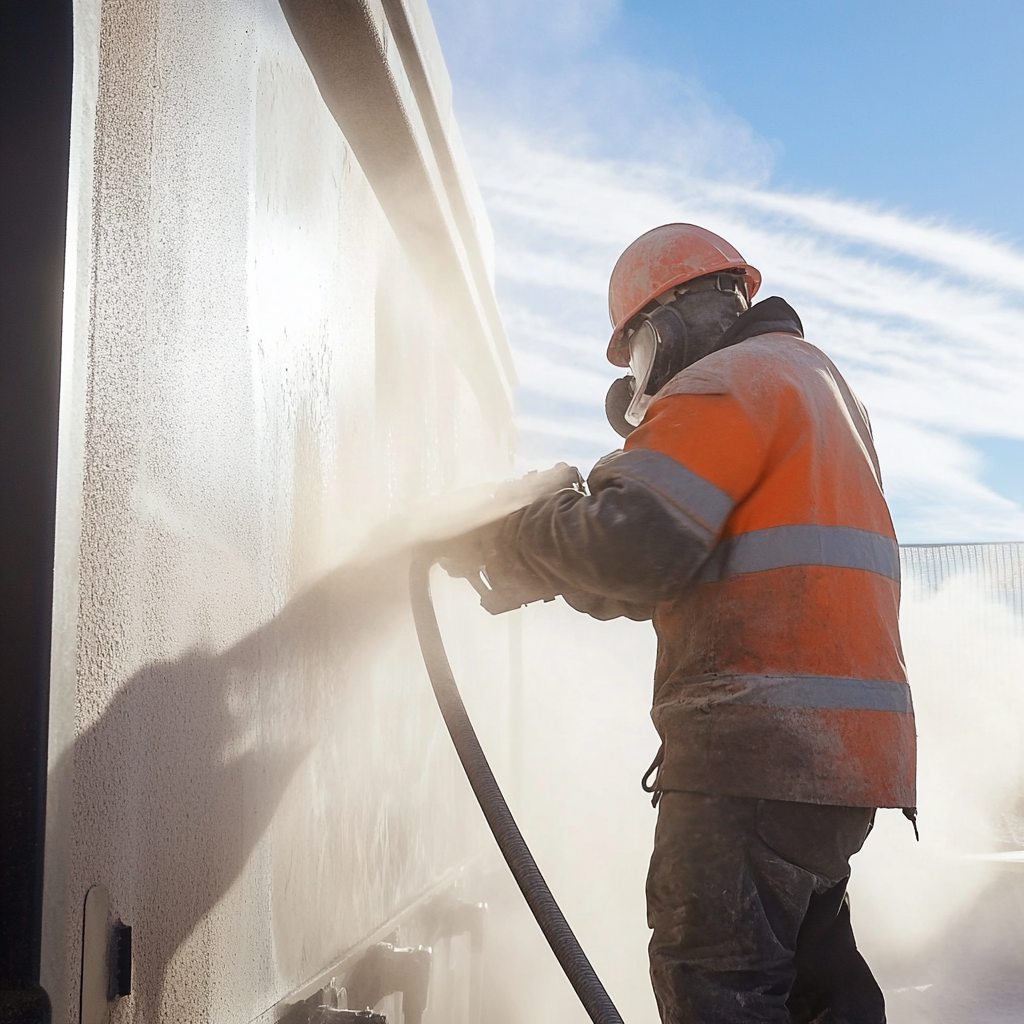
Media Blasting
When a project requires heavier rust removal, coating removal, or a defined surface profile for painting, mobile media blasting provides a more aggressive surface-preparation option for steel, concrete, equipment, and industrial structures.
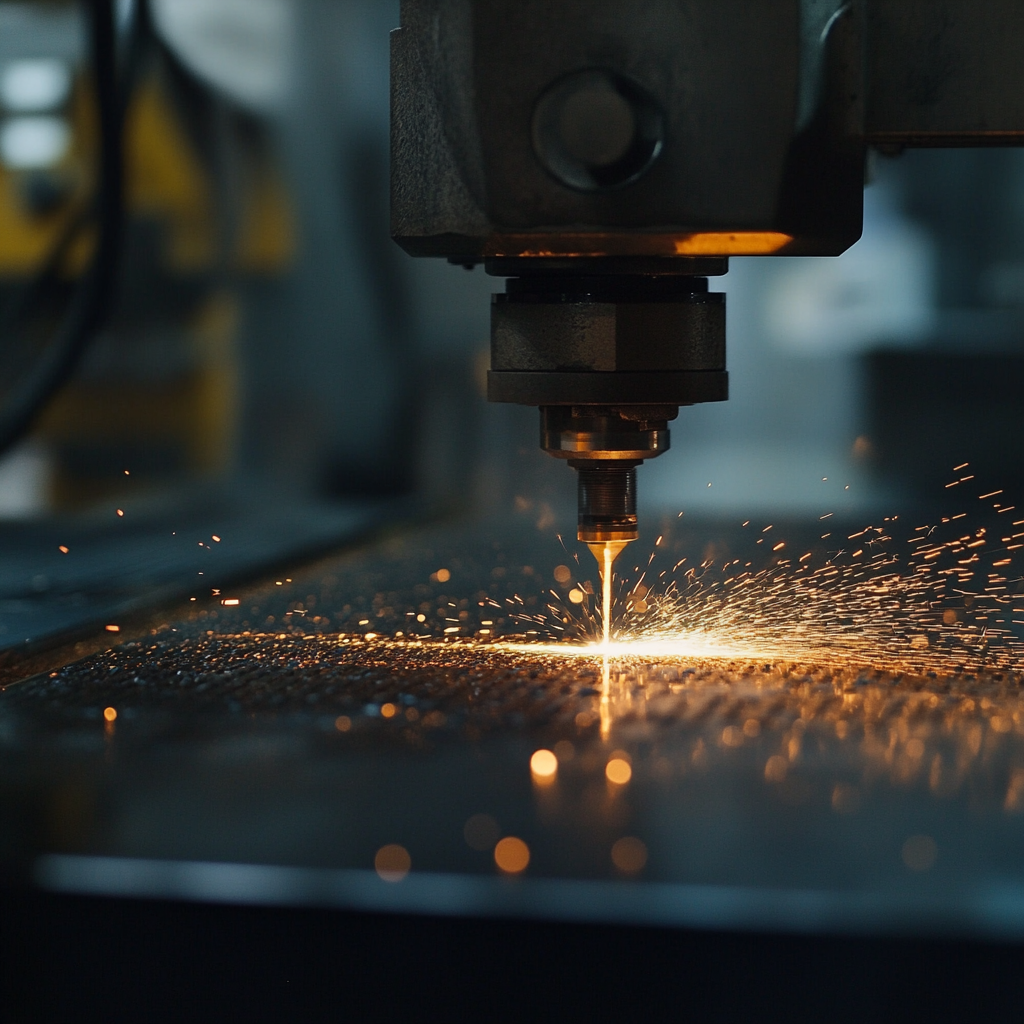
Laser Cleaning
Laser cleaning precisely removes rust, oxides, coatings, and contaminants from targeted areas using a controlled, non-contact process that produces minimal secondary material.

Industrial Pressure Washing
Industrial pressure washing uses hot or cold water to remove heavy dirt, grease, grime, and buildup from equipment, floors, structures, and facility work areas.
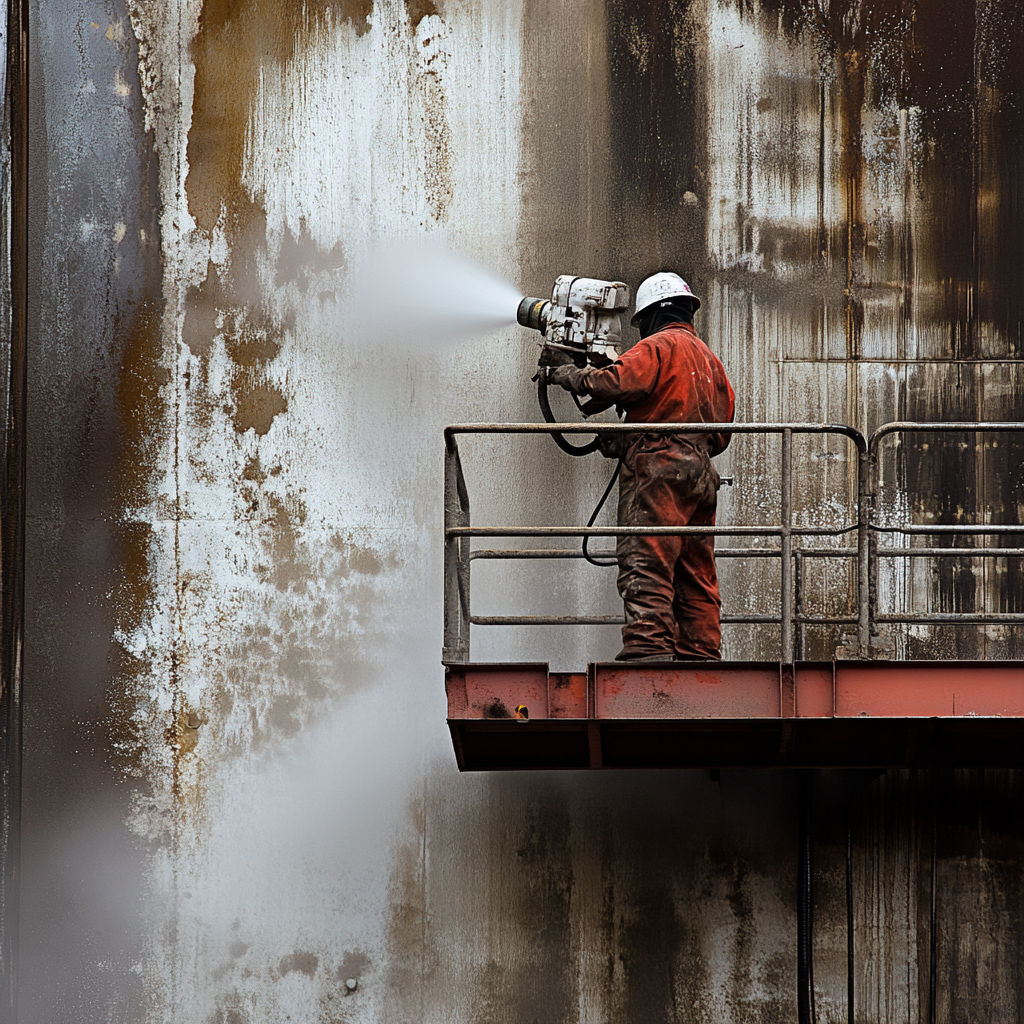
Industrial Cleaning
For projects involving multiple surfaces or cleaning challenges, industrial cleaning services can combine dry ice blasting with other appropriate methods to address equipment, production areas, and facility surfaces.
Dry Ice Blasting Across Wisconsin and the Midwest
Interstate Blasting is based in Lodi, Wisconsin, and travels throughout five Midwest states to provide mobile dry ice blasting at industrial facilities, commercial properties, agricultural operations, and active job sites. Service availability depends on project size, scheduling, equipment requirements, and site conditions.
Wisconsin
Based in Lodi, Interstate Blasting provides dry ice blasting throughout Wisconsin, including Madison, Milwaukee, Green Bay, the Fox Cities, Waukesha, Janesville, Oshkosh, Eau Claire, La Crosse, and surrounding communities.
Illinois
Our mobile crews travel throughout Illinois for dry ice blasting projects in Chicago, Rockford, Aurora, Naperville, Bloomington–Normal, northern Illinois, central Illinois, and surrounding industrial markets.
Iowa
Interstate Blasting serves manufacturers, agricultural operations, contractors, and industrial facilities throughout Iowa, including Des Moines, Cedar Rapids, Iowa City, Davenport, Sioux City, and the Quad Cities.
Michigan
Mobile dry ice blasting is available for qualifying industrial and commercial projects throughout Michigan. Our team coordinates travel, equipment, compressed-air requirements, site access, and scheduling according to the scope of work.
Minnesota
We provide mobile dry ice blasting throughout Minnesota, including Minneapolis–Saint Paul, Rochester, Duluth, and surrounding industrial communities.