
Industrial Emergency Cleaning Services
What Are Industrial Emergency Cleaning Services?
Industrial emergency cleaning addresses unplanned contamination, spills, residue and heavy buildup that cannot wait for the facility’s next scheduled maintenance period. These projects often follow equipment failures, production incidents, fluid releases or other events that leave machinery and work areas requiring prompt professional cleaning.
Interstate Blasting evaluates each request to determine:
- What material was released
- Whether the source has been stopped and the area stabilized
- Which equipment and surfaces were affected
- Whether the material falls within our service capabilities
- Which cleaning method is appropriate
- What containment, ventilation or wastewater controls may be needed
- How quickly a qualified crew and the necessary equipment can mobilize
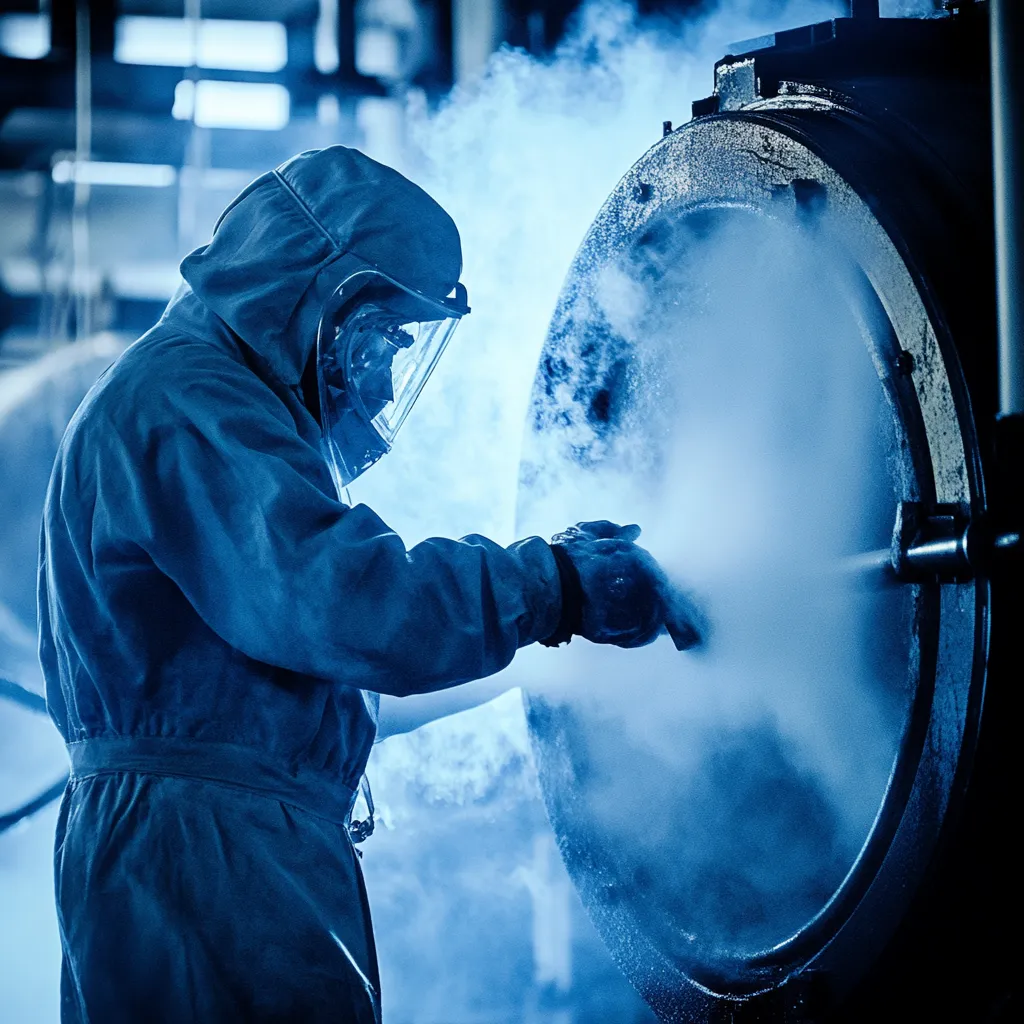
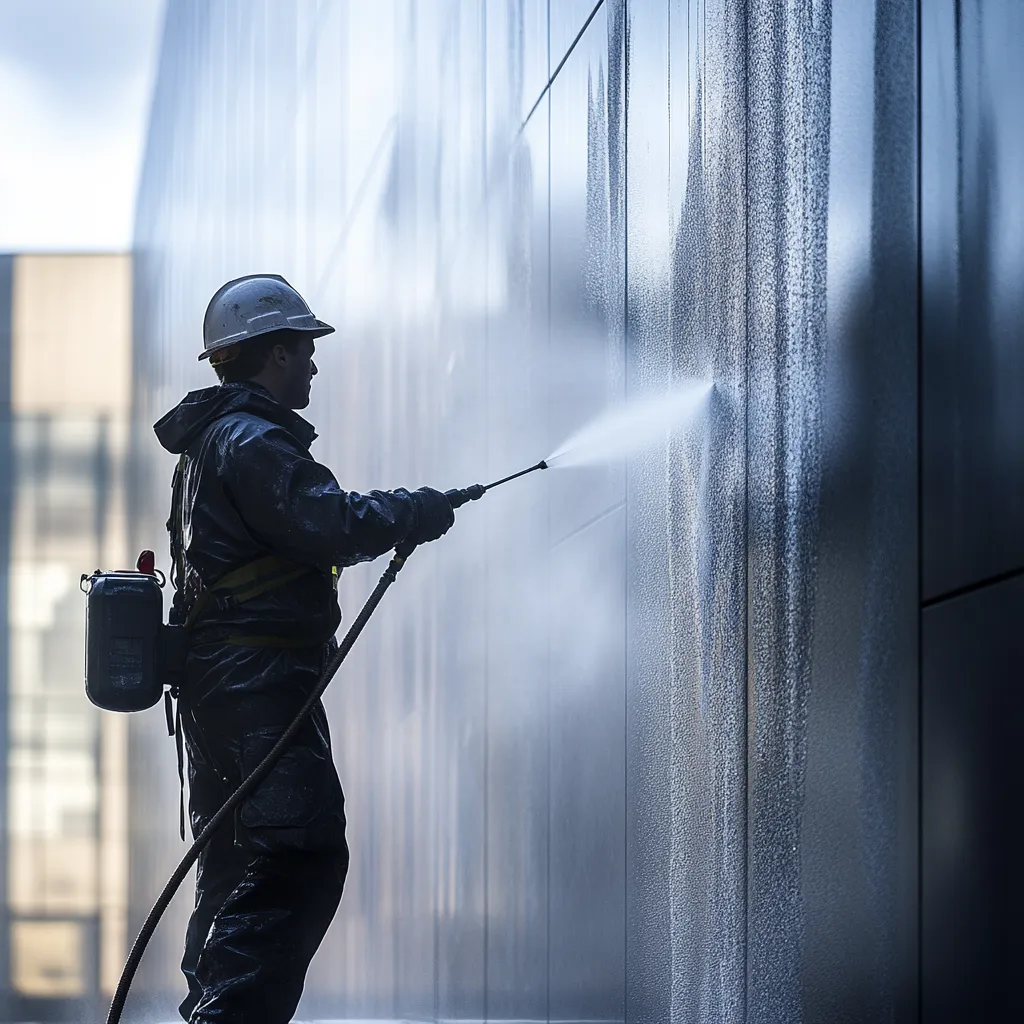
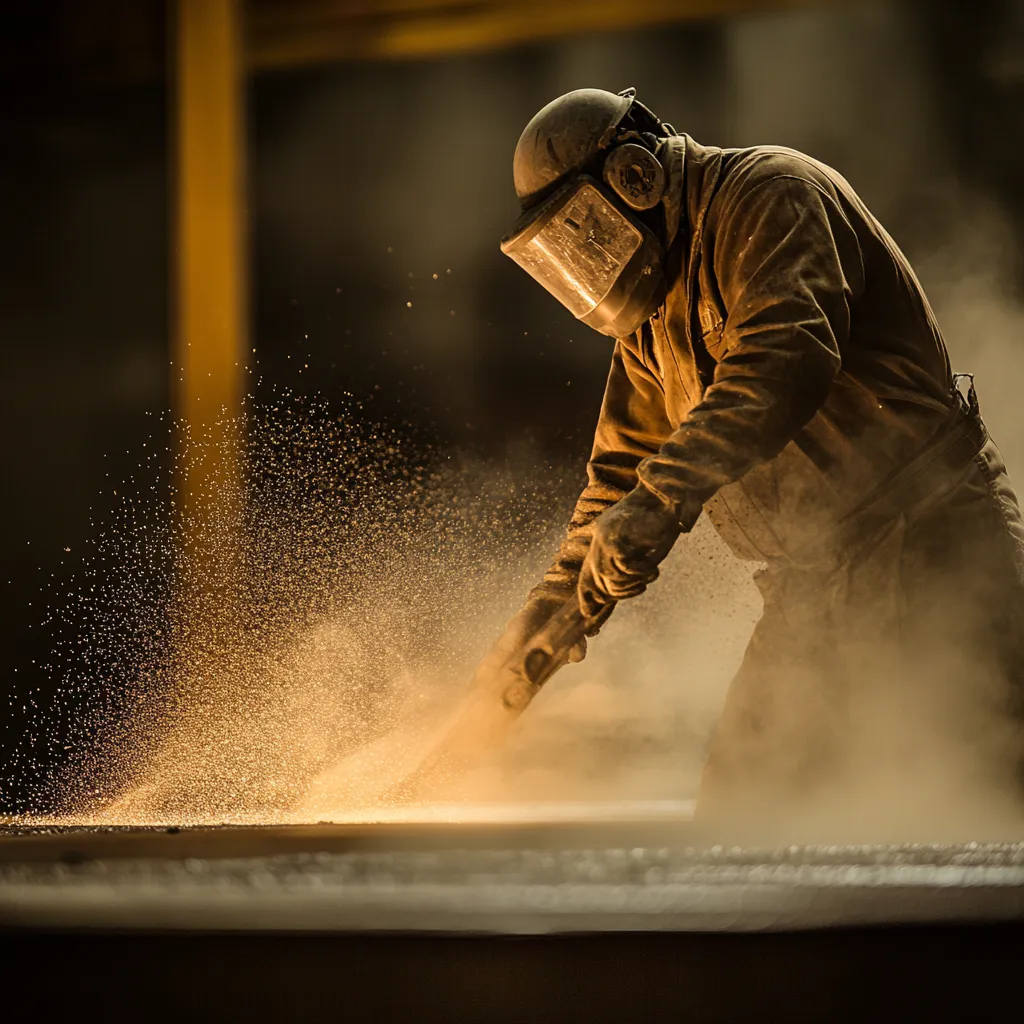
Depending on the incident, cleaning may involve dry ice blasting, hot- or cold-water pressure washing, media blasting or another method suited to the contaminant and underlying surface.
Emergency cleaning begins only after immediate life-safety threats have been addressed. Chemical identity, safety data sheets and available information about the affected area should be provided during the initial call. Incidents involving fire, active chemical releases, biological hazards or other specialized risks may first require emergency responders or a licensed environmental contractor.
Emergency Cleaning Needs We Can Evaluate
Equipment Fluid Leaks
Hydraulic fluid, lubricant, coolant and other equipment-related liquids can spread across machinery, floors and surrounding work areas. Once the source is controlled, professional cleaning can help prepare affected areas for inspection and repair.
Urgent Pre-Repair Cleaning
Technicians may be unable to inspect or repair equipment while heavy contamination is present. Emergency cleaning can help expose the underlying surfaces so the facility can evaluate damage and proceed with the next stage of work.
Grease and Oil Releases
Unexpected grease or oil buildup can create difficult working conditions and interfere with maintenance. The appropriate cleaning method depends on the substance, surface and facility’s containment requirements.
Production Material Spills
Raw materials, ingredients and process residue may spread beyond the normal production area after a line problem or handling incident. Targeted cleaning can address compatible residue on equipment and facility surfaces.
Mud, Water and Outdoor Debris
Severe weather, drainage problems and site incidents can leave mud, dirt and debris across loading areas, equipment pads, exterior machinery and other washable surfaces.
Equipment and Machinery Contamination
A mechanical failure or production interruption may leave machinery covered in oil, residue, dust or other contaminants. Specialized cleaning can provide maintenance teams with better access to affected components.
Industrial Emergency Cleaning Applications
Interstate Blasting evaluates urgent cleaning projects involving industrial equipment, production areas and facility surfaces. The appropriate response depends on the contaminant, substrate, affected area, equipment sensitivity and conditions at the site.
Before mobilization, the facility should identify the released material whenever possible, control the source and communicate any known hazards. Interstate Blasting then determines whether the project falls within our capabilities and which cleaning method may be appropriate.
- Machinery and equipment can be cleaned after compatible oil, grease, coolant, production residue or other material has contaminated accessible surfaces and components.
- Floors, equipment pads, loading docks and service areas can be addressed after compatible spills, leaks or tracked residue affect facility operations.
- Production and material-handling areas can receive targeted cleaning before inspections, repairs, sanitation procedures or a controlled restart.
- Structural and exterior surfaces can be cleaned following qualifying incidents involving mud, debris, residue or other removable buildup.
Industries We Serve
Manufacturing
Food and Beverage Facilities
Agricultural Operations
Warehouses and Distribution Centers
Fabrication and Metalworking Facilities
Municipal and Public Works Facilities
Transportation and Heavy Equipment Operations
Our Industrial Emergency Cleaning Process
Identify and Qualify the Incident
Interstate Blasting gathers information about the material involved, affected surfaces, incident location, current site conditions and actions already taken. Safety data sheets, photographs and measurements may be requested to determine whether the project falls within our capabilities.
Establish the Cleaning and Mobilization Plan
If the project is accepted, the team selects the appropriate cleaning method and plans for access, equipment, containment, wastewater, ventilation and coordination with facility personnel. Mobilization timing is confirmed based on crew availability, travel and equipment requirements.
Clean and Review the Affected Area
The crew performs the agreed cleaning using methods suited to the contaminant and surface. Completed areas are reviewed against the defined scope before being returned to the facility for any required inspection, repair, sanitation or restart procedures.
Responding to a Hydraulic Fluid Release in a Manufacturing Facility
A hydraulic line fails on a large production machine during an evening shift at a Wisconsin manufacturing facility. The facility shuts down the affected line, isolates the equipment and stops the source of the leak. Hydraulic fluid has spread across the machine base, nearby guards and a section of concrete flooring.
The facility’s maintenance team needs access to inspect the damaged line and surrounding components, but the remaining fluid and oily residue make the area difficult to evaluate. Facility personnel identify the material, provide its safety data sheet and confirm that no active release remains.
Interstate Blasting reviews photographs, measurements and site information to determine whether the cleanup falls within its capabilities. A crew is scheduled with equipment selected for the machinery and concrete surfaces.
The cleaning plan separates the project into two zones. A controlled dry-cleaning method is used on compatible machinery surfaces where introducing additional water is undesirable. Hot-water pressure washing is used on the suitable concrete area with runoff managed according to the site plan.
Once the agreed cleaning is completed, the facility reviews the area and proceeds with its mechanical inspection and repair process.
This representative scenario illustrates how an emergency cleaning project may be approached. Actual response time, equipment, cleaning methods, containment, wastewater requirements and results depend on the substance, affected surfaces, location and site conditions.
Related Blasting and Facility Services
Industrial Painting and Protective Coatings
Industrial Pressure Washing
Laser Cleaning
Dry Ice Blasting
Media Blasting

Industrial Cleaning
Industrial Emergency Cleaning Across the Midwest
Interstate Blasting is based in Lodi, Wisconsin, and evaluates industrial emergency cleaning requests throughout Wisconsin, Illinois, Iowa, Michigan and Minnesota. Emergency availability depends on the incident, material involved, project location, required equipment, crew availability and site conditions.
Because mobilization time increases with distance, facilities should contact Interstate Blasting as soon as a qualifying need is identified. A response time is not confirmed until the project has been reviewed and accepted.
Wisconsin
Wisconsin is Interstate Blasting’s primary service area. Emergency cleaning requests may be evaluated in Lodi, Madison, Milwaukee, Green Bay, the Fox Cities, Waukesha, Janesville, Oshkosh, Eau Claire, La Crosse, Wausau and surrounding communities.
Illinois
Interstate Blasting evaluates qualifying industrial emergency projects throughout Illinois, including Chicago, Rockford, Aurora, Naperville, northern Illinois and central Illinois. Mobilization depends on crew availability, travel and the equipment required.
Iowa
Emergency cleaning may be available for qualifying projects throughout Iowa, including Des Moines, Cedar Rapids, Iowa City, Davenport, Dubuque, Waterloo and the Quad Cities.
Michigan
Interstate Blasting reviews qualifying emergency requests from industrial and commercial facilities throughout Michigan. Project acceptance and mobilization are based on the incident, location, site access and required cleaning method.
Minnesota
Facilities throughout Minnesota, including the Minneapolis–Saint Paul region, Rochester, Mankato, Duluth and surrounding areas, may contact Interstate Blasting to have an urgent industrial cleaning need evaluated.
When contacting Interstate Blasting, provide the facility location, material involved, safety data sheet if applicable, approximate affected area, photographs and a description of the steps already taken to control the incident.