
Industrial Lead Paint Abatement & Removal Services
Interstate Blasting provides controlled lead paint and coating removal for industrial equipment, structural steel, commercial facilities, and infrastructure throughout Wisconsin, Illinois, Iowa, Michigan, and Minnesota. Every project is planned around the surface, site conditions, containment needs, and applicable safety requirements.
What Is Lead Paint Abatement and Removal?
Lead paint removal involves safely disturbing, stripping, or removing coatings that have been confirmed or are suspected to contain lead. Unlike ordinary paint removal, lead-related work requires careful planning to reduce worker exposure, prevent debris and dust from spreading, and control the material removed from the surface.
The term “lead abatement” can carry specific regulatory meanings in housing and child-occupied facilities. Industrial and commercial projects may instead involve lead coating removal as part of maintenance, repair, demolition, restoration, or surface preparation. The applicable requirements depend on the property, type of work, jurisdiction, and intended project outcome.
A properly planned lead coating removal project may include:
- Confirming the coating’s lead content before work begins
- Evaluating the substrate and condition of the coating
- Establishing controlled work zones and containment
- Selecting an appropriate removal method
- Implementing worker exposure controls
- Collecting dust, chips, abrasive media, and coating debris
- Preparing the exposed surface for repair or recoating
- Coordinating waste characterization and handling requirements
Interstate Blasting evaluates the physical removal portion of each project and coordinates its approach with the facility, project manager, environmental consultant, general contractor, or other responsible parties. Testing, regulatory determinations, clearance, and waste classification should be completed by the appropriately qualified parties when required.
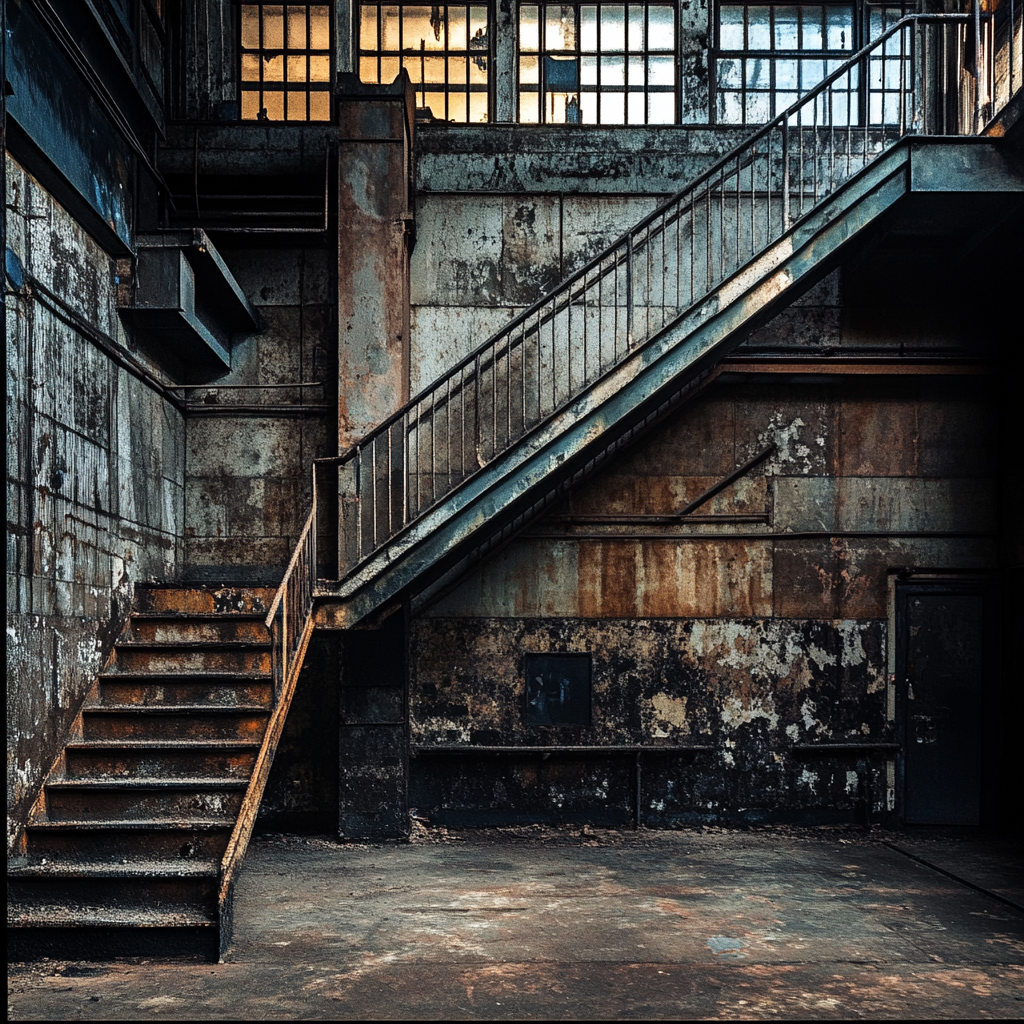
When Is Lead Paint Removal Needed?
Peeling and Deteriorating Coatings
Aging lead-containing paint can crack, peel, chip, and separate from the underlying surface. Controlled removal addresses the failed material before repairs or new coatings are applied.
Lead Dust and Paint Chips
Maintenance, abrasion, weathering, and coating failure can release lead-containing dust and debris. Establishing containment and controlled removal helps limit the spread of disturbed material.
Unsafe Surface Disturbance
Grinding, welding, cutting, blasting, demolition, and other maintenance activities can disturb existing coatings. Lead identification and removal planning should occur before these activities begin.
Corrosion Beneath Old Paint
Moisture and coating failure can allow corrosion to develop beneath an older lead-containing finish. Removing the deteriorated system exposes the steel so its condition can be evaluated and addressed.
Failed Coating Systems
Applying new paint over unstable or poorly bonded lead-containing coatings can lead to premature failure. Proper removal creates a more reliable foundation for the next coating system.
Renovation and Facility Upgrades
Equipment replacement, structural repairs, building improvements, and modernization projects may require existing lead-containing paint to be removed before work can proceed safely.
Where Lead Paint Removal May Be Required
Lead-containing coatings may be found on older steel structures, machinery, tanks, equipment, railings, facility components, and infrastructure. Before these surfaces are cut, repaired, demolished, restored, or recoated, the existing paint should be evaluated and a suitable work plan established.
Interstate Blasting helps remove confirmed lead coatings from appropriate surfaces using project-specific equipment, containment, and collection methods. The removal approach depends on the substrate, coating condition, access, surrounding environment, and required finish.
- Structural Steel and Facility Components
- Industrial Equipment and Machinery
- Municipal and Infrastructure Assets
- Commercial and Industrial Buildings
Industries That May Require Lead Paint Removal
Manufacturing
Commercial and Industrial Facilities
Municipalities and Infrastructure
Agriculture
Transportation and Heavy Equipment
Energy and Utilities
Construction and Restoration
Our Lead Coating Removal Process
Confirm the Scope and Project Requirements
Before removal begins, the coating should be properly tested and the project scope clearly defined. Interstate Blasting reviews the available testing information, affected surfaces, site access, surrounding operations, removal objective, and requirements established by the facility or project team.
Establish Controls and Remove the Coating
A project-specific work plan is developed for containment, access control, worker protection, ventilation or dust control, removal equipment, and debris collection. The selected method is then used to remove the coating while limiting the movement of lead-containing material outside the work area.
Collect Material and Prepare the Surface
Removed paint, dust, abrasive media, and other debris are collected according to the project plan. The exposed surface is inspected and prepared for the next phase, while waste characterization, transportation, disposal, or clearance activities are coordinated with the responsible qualified parties as required.
Preparing Older Structural Steel for Recoating
A Wisconsin industrial facility is preparing to repair and repaint structural steel inside an older maintenance building. Testing arranged by the project team confirms that the existing deteriorated coating contains lead. Several areas are peeling, while other sections show rust developing beneath the paint.
The steel must be prepared before the repair and coating contractors can begin, but uncontrolled blasting could spread lead-containing dust and debris into adjacent work areas.
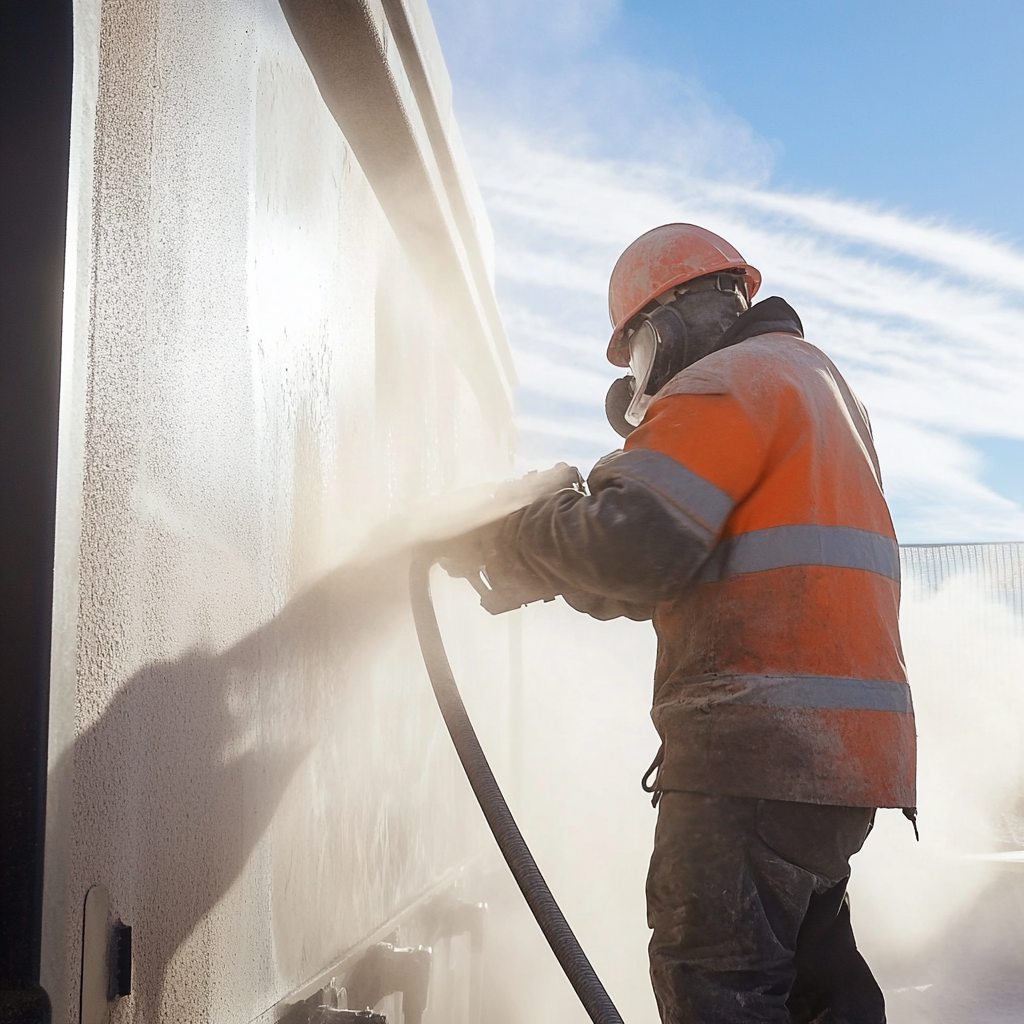
A controlled work zone is established around the affected beams, columns, platforms, and supports. Nearby equipment and surfaces are protected, access is restricted, and containment is selected according to the location and removal method. The crew removes the failed coating and corrosion using controlled media blasting while collecting the resulting abrasive and paint debris.
Following removal, the exposed steel is cleaned and inspected so the project team can evaluate its condition and proceed with the specified primer and coating system. Collected material is retained for appropriate characterization and handling by the responsible project parties.
This representative scenario illustrates a potential industrial lead coating removal project. Actual controls, personnel requirements, testing, documentation, waste handling, and removal methods depend on the facility, jurisdiction, coating, and scope of work.
Related Surface Preparation and Industrial Services
Media Blasting
Industrial Painting and Protective Coatings

Industrial Cleaning
Industrial Emergency Services
Industrial Lead Paint Removal Across the Midwest
Based in Lodi, Wisconsin, Interstate Blasting travels throughout Wisconsin, Illinois, Iowa, Michigan, and Minnesota for qualifying industrial and commercial lead coating removal projects. Requirements can differ by state, property type, project purpose, and jurisdiction, so each project must be evaluated individually before work is scheduled.
Wisconsin
Interstate Blasting serves industrial and commercial projects throughout Wisconsin, including Madison, Milwaukee, Green Bay, the Fox Cities, Waukesha, Janesville, Oshkosh, Eau Claire, La Crosse, Wausau, and surrounding communities.
Illinois
Our mobile crews travel throughout Illinois for qualifying lead coating removal projects in Chicago, Rockford, Aurora, Naperville, Bloomington–Normal, northern Illinois, central Illinois, and surrounding industrial markets.
Iowa
Interstate Blasting supports industrial facilities, agricultural operations, contractors, and commercial projects throughout Iowa, including Des Moines, Cedar Rapids, Iowa City, Davenport, Sioux City, and the Quad Cities.
Michigan
Lead coating removal services are available for qualifying industrial and commercial projects throughout Michigan. Project planning accounts for mobilization, site conditions, coating testing, containment requirements, and applicable state or local requirements.
Minnesota
We serve qualifying industrial and commercial projects throughout Minnesota, including Minneapolis–Saint Paul, Rochester, Duluth, and surrounding communities. Each project is reviewed for its specific removal, containment, and coordination needs.