
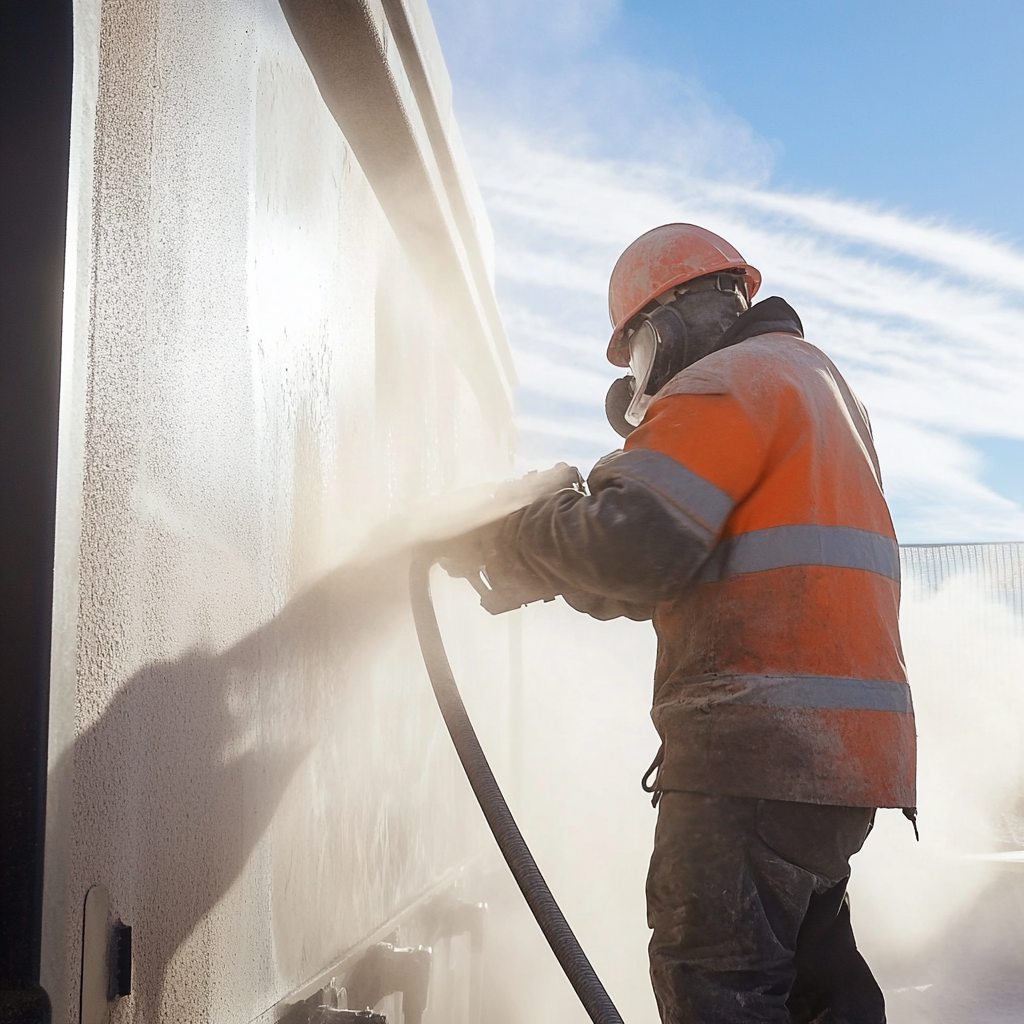
When it comes to industrial coatings, preparation is everything. Even the most advanced coatings—whether for corrosion resistance, wear protection, or chemical shielding—are only as effective as the surface they’re applied to. That’s why media blasting is one of the most crucial steps in any surface coating process.
Media blasting (also known as abrasive blasting) is a powerful, precise method of removing contaminants, rust, old paint, and mill scale while simultaneously creating an ideal surface profile for coatings to bond to. This blog explores how media blasting prepares surfaces for industrial coatings, why it’s essential, and what industries benefit most from the process.
Why Surface Preparation Matters in Industrial Coating
Before any coating is applied, the surface must be clean, stable, and textured appropriately. Without proper preparation, coatings can delaminate, fail prematurely, or leave areas unprotected—leading to costly rework, equipment downtime, or structural failure.
Surface prep impacts:
- Coating adhesion: Rougher surfaces provide mechanical “tooth” for coatings to grip.
- Performance longevity: Removing rust, scale, and contaminants ensures the coating adheres to the substrate, not unstable material.
- Uniform coverage: A consistent profile helps coatings spread evenly without pooling or thin spots.
- Corrosion resistance: Proper blasting removes corrosive elements like salts and oxidation that can spread under the coating.
Skipping or rushing surface prep is one of the most common reasons coatings fail early—and it’s avoidable with the right blasting process.
What Is Media Blasting?
Media blasting involves propelling abrasive particles at high velocity onto a surface using compressed air or other propulsion methods. The impact removes unwanted material (like rust, paint, or residue) and can texture the surface to a specified roughness ideal for coating adhesion.
Common blast media includes:
- Crushed glass: Effective for general-purpose cleaning and paint removal.
- Steel grit: Suitable for heavy rust and scale, and leaves a strong anchor profile.
- Aluminum oxide: Ideal for hard metals or surfaces needing a fine finish.
- Garnet: Low-dust and great for environmentally sensitive or precision jobs.
- Plastic or walnut shell: Used for gentler cleaning without damaging the substrate.
The media type, grit size, and blasting pressure are chosen based on the material being prepped and the coating system requirements.
The Role of Surface Profile in Coating Adhesion
One of the biggest benefits of media blasting is the creation of a surface profile—the microscopic peaks and valleys that help a coating “lock in” to the material. This is often measured in mils (thousandths of an inch) and specified by coating manufacturers.
- Low-profile coatings (e.g., thin epoxy layers) may need a 1–2 mil surface profile.
- Heavy-duty coatings (e.g., zinc-rich primers or polyurethane) often require 3–5 mils or more.
Media blasting allows precision control over surface profile, which is essential for ensuring proper coating performance, especially in industries like marine, aerospace, energy, and infrastructure.
Cleaning vs. Profiling: The Two Jobs of Media Blasting
Media blasting is unique because it accomplishes two vital goals in one step:
1. Cleaning
Blasting removes:
- Rust and oxidation
- Paint, powder coating, or epoxy
- Oil, grease, or residue (when pre-washed)
- Mill scale or weld slag
2. Profiling
Blasting creates:
- A uniform anchor pattern
- Enhanced coating grip
- Better edge retention for primers
This dual function makes media blasting far more effective than sanding, scraping, or chemical stripping, which may clean but don’t profile the surface adequately.
Media Blasting for Different Surface Materials
Not all surfaces respond the same to blasting. Here’s how blasting works for a few common materials:
Steel and Iron
- Most common surfaces for industrial coatings
- Media like steel grit or garnet removes rust and mill scale effectively
- Can handle aggressive profiles without damage
Aluminum
- Softer and more prone to warping
- Requires gentler media like glass bead or aluminum oxide
- Often blasted at lower pressure to avoid pitting
Concrete
- Used in industrial flooring and tank linings
- Requires heavy-duty media for profiling
- Removes coatings, oil contamination, or laitance for improved adhesion
Wood and Composites
- Less common in industrial settings but used in specialty applications
- Require soft media and careful technique to avoid gouging or overblasting
Media Blasting in Specific Industries
Media blasting plays a key role across many sectors:
Oil & Gas
- Prepares pipelines, tanks, and offshore platforms for anti-corrosive coatings
- Removes marine growth, salt residue, and scale
Manufacturing
- Cleans machinery, frames, and fabrication before paint or powder coating
- Ensures long-term durability and resistance to abrasion
Aerospace
- Strips paint from fuselages and parts without damaging metal
- Profiles surfaces for adhesion of advanced coatings
Marine
- Removes biofouling, corrosion, and paint from hulls and ship components
- Prepares surfaces for anti-fouling or barrier coatings
Infrastructure
- Used on bridges, water towers, and steel frameworks before protective coatings
- Critical for rust prevention and public safety
Advantages of Media Blasting for Coating Prep
- Efficient: Removes contaminants and profiles in one step
- Versatile: Works on metal, concrete, and more
- Customizable: Choose media and pressure to suit any substrate
- Environmentally friendly: Many media are recyclable and low-toxicity
- Proven: Meets industry standards like SSPC-SP and NACE protocols
Compared to mechanical abrasion (grinders, sanders) or chemical strippers, media blasting is faster, cleaner, and delivers a more uniform finish.
What to Expect From a Professional Blasting Service
When hiring a media blasting contractor like Interstate Blasting, you can expect:
- Detailed surface evaluation and coating requirement review
- Selection of the right blasting media and technique
- On-site or mobile blasting options
- Strict adherence to safety, containment, and waste management
- Post-blast inspection to confirm profile and cleanliness standards
A reliable partner ensures that your surface is perfectly prepped and ready for high-performance coatings — reducing the risk of failure and extending the service life of your equipment or structures.
Wrap-Up
Industrial coatings are designed to protect and perform—but they can only do so if the surface beneath them is properly prepared. Media blasting is the gold standard for creating clean, textured, and chemically stable surfaces ready to accept coatings of all types.
From pipelines and bridges to production lines and structural steel, media blasting gives coatings the solid foundation they need to last. If you’re planning a coating project, investing in professional media blasting isn’t just a good idea — it’s essential.